The digital landscape is evolving quickly, and 2026 web design trends are redefining how users interact with websites. Today, a website is more than just a digital presence. It must deliver speed, usability, and engaging experiences. As a result, businesses that fail to adapt may lose both traffic and conversions.
In this guide, we explore the most important 2026 web design trends, including AI-driven UI, UX innovations, accessibility, and speed-first design. These trends will help you create a website that not only looks modern but also performs effectively.
Why 2026 Web Design Trends Are Important
Understanding 2026 web design trends is essential for staying competitive in a crowded online space. Users now expect fast, intuitive, and personalised experiences. If a website feels outdated or slow, visitors are likely to leave within seconds.
In addition, search engines reward websites that offer strong user experience. This means better rankings for sites that load quickly, are mobile-friendly, and are easy to navigate.
Therefore, keeping up with modern design trends is not just about aesthetics. It directly impacts engagement, retention, and overall business success.
AI-Driven UI Is Changing User Experience
One of the most exciting 2026 web design trends is AI-driven UI. Artificial intelligence is transforming how websites interact with users.
For example, AI can analyse user behaviour and adjust content in real time. It can recommend products, personalise layouts, and improve navigation. As a result, users receive a more relevant experience.
In addition, AI-driven UI helps businesses understand their audience better. This leads to smarter decisions and improved website performance over time.
UX Innovations Focus on Simplicity and Clarity
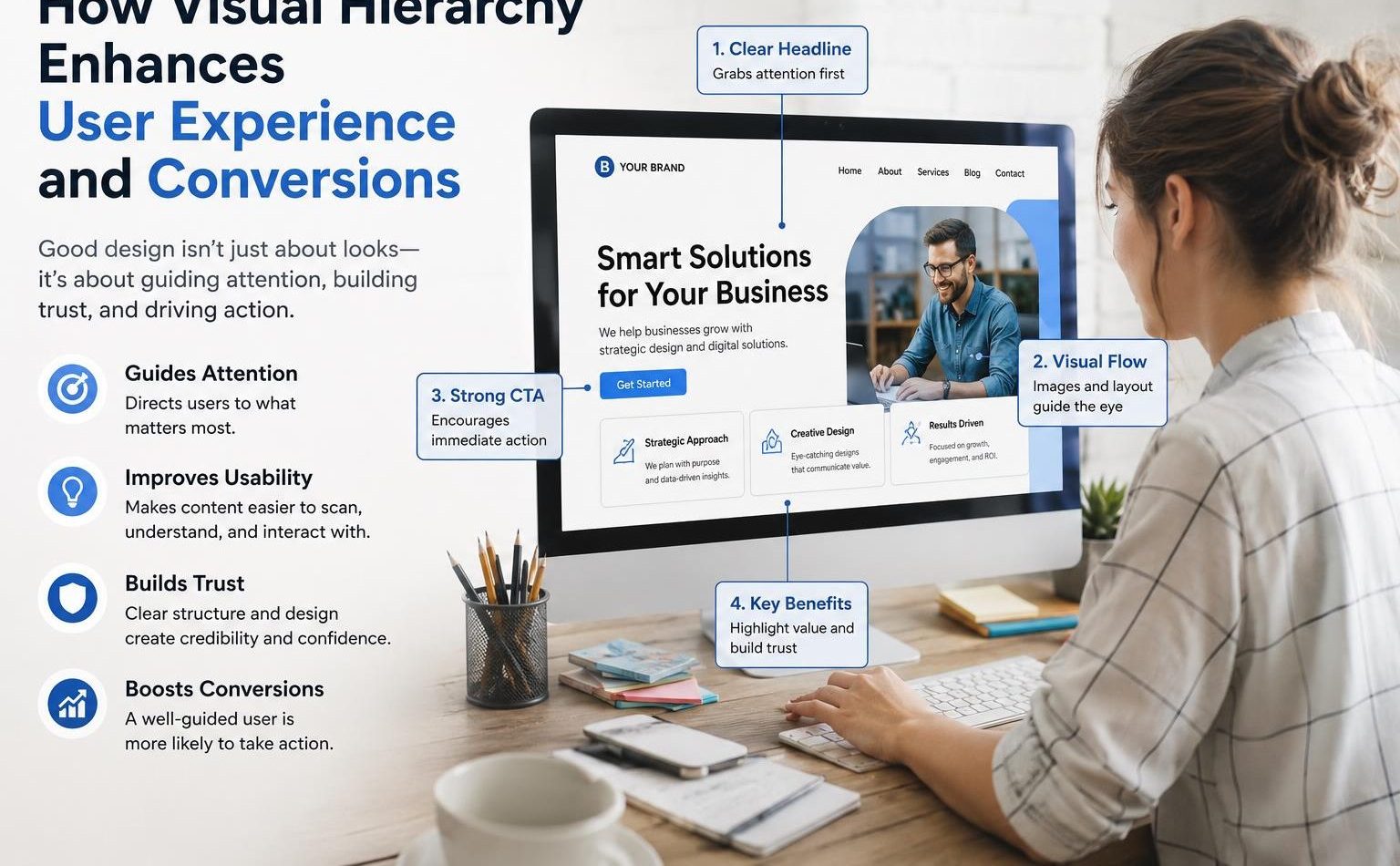
Modern UX innovations are all about simplicity. In 2026, clean layouts and intuitive navigation are more important than ever.
Users prefer websites that are easy to understand. Clear headings, simple menus, and logical page structures improve usability.
Moreover, micro-interactions are becoming more common. These small animations provide feedback and guide users through actions. For instance, a button changing colour when clicked can enhance engagement.
Therefore, focusing on user-friendly UX innovations can significantly improve the overall experience.
Accessibility Is a Key Priority
Accessibility is no longer optional. It is a core part of 2026 web design trends. Websites must be designed so that everyone can use them, including people with disabilities.
This includes features like readable fonts, proper colour contrast, and keyboard navigation. Adding descriptive alt text to images also improves accessibility.
In addition, accessible websites reach a wider audience. They also build trust and demonstrate social responsibility.
By prioritising accessibility, businesses can create inclusive experiences that benefit all users.
Speed-First Design Drives Performance
Speed-first design is essential in today’s fast-paced digital world. Users expect websites to load quickly, and delays can lead to frustration.
Optimising images, reducing unnecessary code, and using efficient hosting can improve loading times. In addition, using modern frameworks can enhance performance.
Search engines also consider page speed as a ranking factor. Therefore, speed-first design not only improves user experience but also supports SEO.
Mobile-First Design Remains Essential
Mobile-first design continues to be a major trend. With more users browsing on smartphones, websites must perform well on smaller screens.
Responsive design ensures that content adapts to different devices. This improves usability and keeps users engaged.
In addition, mobile-friendly websites are prioritised by search engines. This makes mobile optimisation a critical part of 2026 web design trends.
Interactive Content Enhances Engagement
Interactive content is becoming increasingly popular. It helps capture user attention and encourages engagement.
For example, quizzes, sliders, and clickable elements make the experience more dynamic. These features can also simplify complex information.
However, it is important to use interactive elements wisely. Too many can slow down the website and affect performance.
When used correctly, interactive content can greatly enhance user experience.
Visual Storytelling Creates Strong Connections
Visual storytelling is another important trend in 2026. Websites are using visuals to communicate messages more effectively.
High-quality images, videos, and graphics can make content more engaging. They also help users understand information quickly.
In addition, storytelling through design can guide users through a journey. This builds emotional connections and improves brand perception.
Using Media for Better Engagement
Media elements such as images, videos, and infographics can make your website more engaging. They break up long blocks of text and improve readability.
For example, a short explainer video can quickly communicate a concept. Similarly, an infographic can present data in a simple format.
However, it is important to optimise media files. This ensures they do not slow down your website.
Balancing Design and Functionality
While modern design is important, functionality should always come first. A visually appealing website must also be easy to use.
Clear navigation, fast loading speeds, and responsive layouts are essential. These elements ensure a smooth user experience.
In addition, regular testing can help identify issues. This allows you to make improvements and maintain performance over time.
How to Implement 2026 Web Design Trends
Adopting 2026 web design trends requires a thoughtful approach. Start by evaluating your current website and identifying areas for improvement.
Next, focus on key elements such as speed-first design and AI-driven UI. These features can have a major impact on performance.
In addition, ensure your website is mobile-friendly and accessible. This will help you meet user expectations and industry standards.
Finally, continue testing and updating your design. This ensures your website stays relevant in a rapidly changing digital landscape.
Conclusion
The future of web design is centred around user experience, innovation, and performance. By embracing 2026 web design trends, businesses can create websites that are both engaging and effective.
From AI-driven UI to accessibility and speed-first design, these trends are shaping the way users interact with digital platforms. By adopting these strategies, you can improve user satisfaction, increase engagement, and achieve better results. Contact us for more.
FAQs
What are the key 2026 web design trends?
Key trends include AI-driven UI, UX innovations, accessibility, and speed-first design. These elements improve user experience and performance.
Why is speed-first design important?
Speed-first design ensures fast loading times. This improves user satisfaction and helps with search engine rankings.
How does AI-driven UI improve websites?
AI-driven UI personalises user experiences. It adapts content and layout based on user behaviour.
What is the role of accessibility in web design?
Accessibility ensures websites are usable for everyone. It also helps reach a wider audience and meet legal standards.
How can I update my website for 2026 trends?
Start by improving speed, design, and usability. Then, add modern features like AI-driven UI and interactive content.