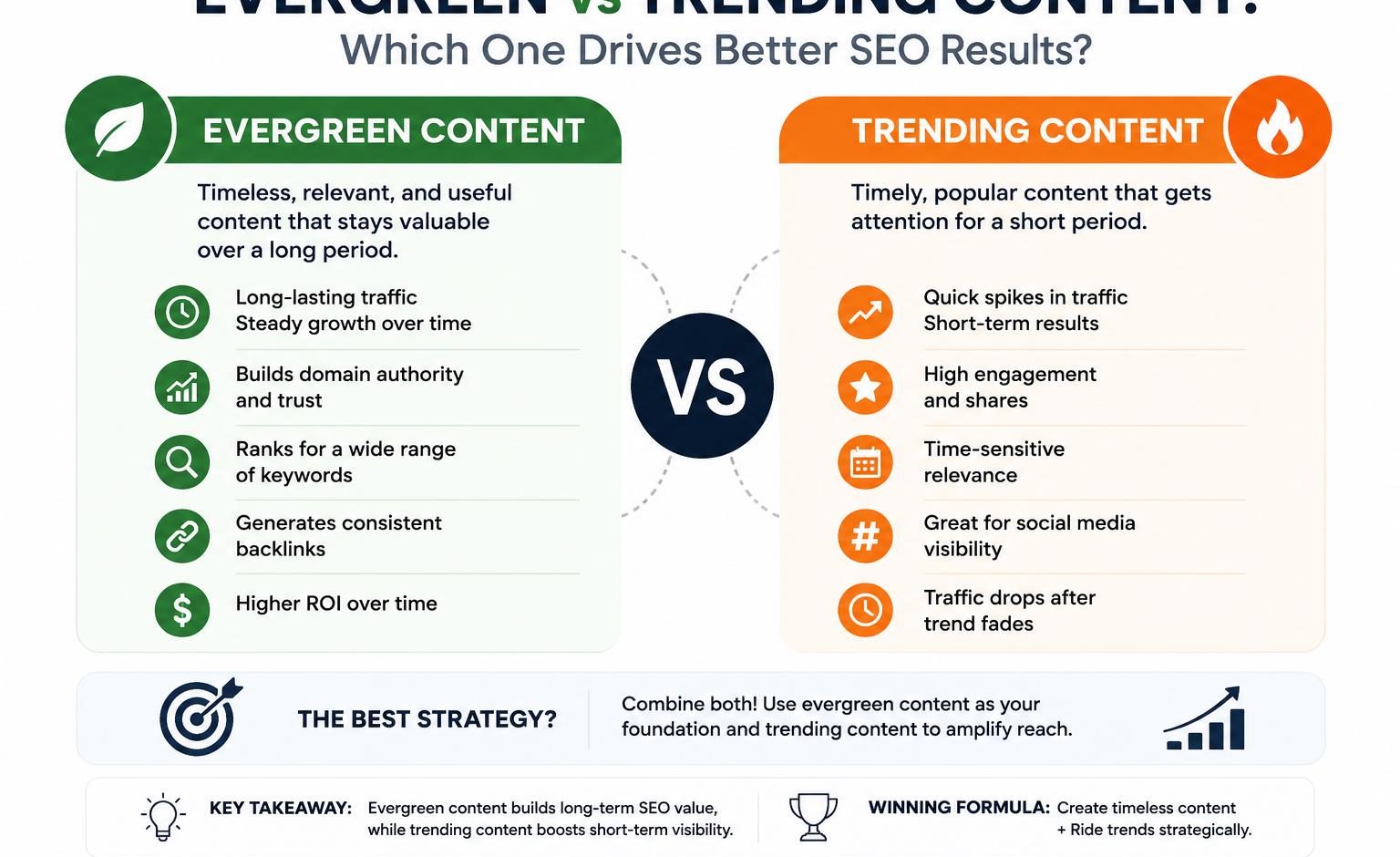

Does blogging help SEO in today’s search landscape, or has it become outdated? This is a common question among business owners trying to decide where to invest their time and budget. With AI-generated content, changing algorithms, and shifting user behavior, blogging looks very different than it did a few years ago.
The short answer is yes, blogging still helps SEO in 2026. However, the way blogging supports rankings has changed. Success now depends on keyword intent, content quality, and how well blogging fits into a larger SEO content strategy.
In this guide, we’ll explain why blogging still matters, how search engines evaluate blog content today, and how to use blogging to drive real SEO results.
Why Business Owners Still Ask: Does Blogging Help SEO?
Many businesses stopped blogging after publishing dozens of posts without seeing results. In most cases, the issue was not blogging itself. Instead, the problem was outdated tactics.
Search engines no longer reward volume alone. Publishing random blog posts without a strategy rarely improves rankings. However, when blogging aligns with search intent and business goals, it remains one of the most effective SEO tools available.
Blogging helps SEO because it expands topical coverage, improves index freshness, and creates new opportunities to match user queries.
How Blogging Supports Modern SEO
Blogging plays several important roles in search optimization. These roles are more strategic than before, but they are still powerful.
Blogging Improves Index Freshness
Index freshness refers to how often search engines find new or updated content on your site. Regular blog updates signal that your website is active and relevant.
Fresh content encourages search engines to crawl your site more often. As a result, important pages may get indexed faster and updated rankings can appear sooner.
In addition, updating older blog posts can refresh their rankings without creating new URLs.
Blogging Helps Match Keyword Intent
Keyword intent is the reason behind a user’s search. In 2026, intent matters more than exact keyword matching.
Blog posts allow you to target informational and commercial intent queries that do not fit naturally on service pages. For example, a service page sells, while a blog post educates.
When blogging aligns with intent, users stay longer and engage more. These engagement signals support better rankings over time.
Blogging and Topical Authority
Search engines reward sites that demonstrate expertise on a topic. Blogging helps build topical authority by covering related subtopics in depth.
Instead of ranking for one keyword, you rank for clusters of related queries. This approach strengthens your overall SEO footprint.
To learn more about building authority through content, explore our guide on SEO content structure:
https://visibilityvault.com/content-clustering-strategy/
Why Blogging Alone Is Not Enough
Although blogging helps SEO, it cannot work in isolation. Many businesses fail because they blog without a clear plan.
Posting content without keyword research, internal linking, or conversion goals limits impact. Blogging must support a complete SEO content strategy to deliver results.
That strategy includes service pages, technical SEO, internal links, and user experience optimization.
Blogging as Part of an SEO Content Strategy
A strong SEO content strategy uses blogging to support core business pages. Blogs should answer questions that customers ask before making a decision.
For example, blogs can explain pricing factors, compare options, or clarify common concerns. These topics attract early-stage users and guide them toward conversions.
In addition, internal links from blog posts help distribute authority to key pages. This improves rankings across the site.
You can see how internal linking supports SEO fundamentals in our local SEO basics guide:
https://visibilityvault.com/local-seo-basics/
Does Blogging Help SEO for Small Businesses?
For small businesses, blogging can be especially valuable. It allows you to compete without massive ad budgets.
Local and niche blogs often rank faster because competition is lower. By targeting long-tail keywords with clear intent, small businesses can attract qualified traffic.
Consistency matters more than volume. One well-optimized blog per month often outperforms weekly low-quality posts.
Blogging in the Age of AI Search<
AI tools changed how content is created, but not how it is evaluated. Search engines still reward helpful, original, and experience-based content.
Blogs that include real insights, examples, and expert perspective perform better than generic content. AI can assist writing, but strategy and editing remain human tasks.
In addition, blogs that answer follow-up questions are more likely to appear in AI-driven search features.
Content Length and Quality Matter More Than Ever
Longer blog posts tend to rank better when they are well structured and easy to read. However, length alone is not enough.
Content should fully answer the topic while staying clear and focused. Short paragraphs, simple language, and logical flow improve readability.
In addition, updating older blog posts often delivers faster SEO gains than publishing new ones.
Common Blogging Mistakes That Hurt SEO
Many businesses unknowingly sabotage their blogs.
One common mistake is targeting the wrong keywords. Informational blogs should not compete with transactional pages.
Another issue is ignoring internal links. Without links, blog authority does not flow to important pages.
Finally, thin content fails to satisfy user intent. Quality always outweighs quantity.
How Often Should You Blog for SEO?
There is no universal rule. Blogging frequency should match your resources and goals.
For most businesses, one to four posts per month is effective. The key is consistency and relevance.
Publishing less often but maintaining quality is better than posting frequently with low impact.
Measuring Blogging SEO Success
Traffic alone is not the only metric that matters. Rankings, engagement, and assisted conversions provide a clearer picture.
Track how blog visitors move through your site. If blogs support conversions, they are doing their job.
In addition, monitor keyword growth across related topics to measure authority gains.
Visual Content and Blogging SEO
Images, charts, and videos improve engagement and understanding. Including visuals also increases time on page.
For example, a simple infographic explaining keyword intent can clarify complex ideas. Visuals also create opportunities for image search visibility.
Suggested image:
A diagram showing how blogging supports keyword intent, index freshness, and topical authority.
Final Thoughts: Does Blogging Help SEO in 2026?
So, does blogging help SEO in 2026? Absolutely—but only when done strategically.
Blogging improves index freshness, supports keyword intent, and strengthens SEO content strategy. It also builds authority and attracts qualified traffic over time.For more contact us.
FAQs About Blogging and SEO
Does blogging help SEO for new websites?
Yes, blogging helps new websites get indexed faster and build topical relevance. It creates entry points for search engines and early users.
How long does it take for blog posts to rank?
Most blog posts take three to six months to gain traction. Results depend on competition, keyword intent, and content quality.
Should every blog target a keyword?
Yes, each blog should target a primary keyword and related terms. This improves clarity and avoids keyword overlap.
Is updating old blog posts good for SEO?
Updating old posts improves index freshness and relevance. It often leads to faster ranking improvements than publishing new content.